Love the character of Kern Place but not sure what you are looking at on each block? When you house-hunt here, you will see an eclectic mix of cozy bungalows, Spanish-influenced homes, mid-century ranches, and modern updates. Each style offers a different living feel and a different maintenance profile in El Paso’s climate. This guide walks you through the most common styles, what day-to-day life is like in each, and what to look for during inspections so you can shop with confidence. Let’s dive in.
Kern Place at a glance
Kern Place sits near central and West El Paso with walkable streets and close-in access to the university, parks, and downtown corridors. Lots are generally smaller with homes close to the sidewalk, and many have front porches or small entry yards. You will see early 1900s homes next to mid-century houses and modern remodels that keep the neighborhood scale. The result is a street scene with mature trees, smaller front yards, and a blend of original and updated materials.
Bungalow and Craftsman
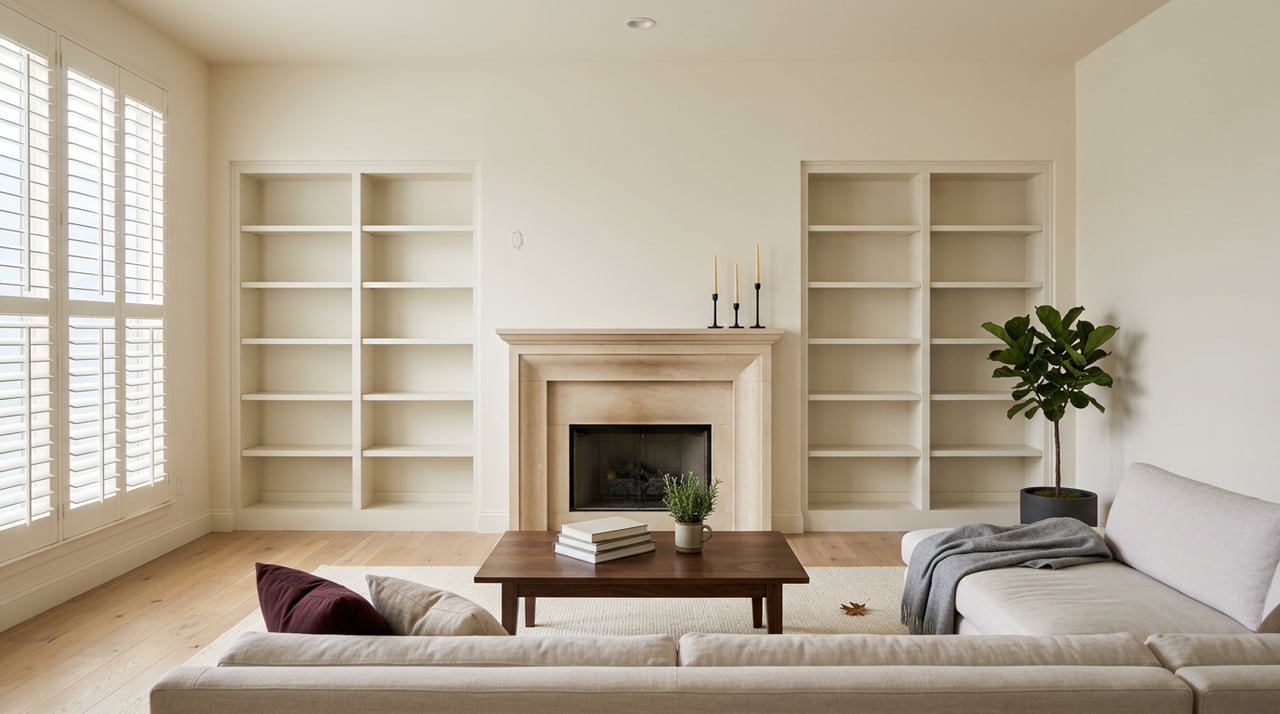
You will find many early 1900s to 1930s bungalows and American Craftsman homes here. Exteriors often show low-pitched gabled roofs, broad front porches with tapered or square columns, and wood siding or stucco. Interiors tend to be compact with built-ins and hardwood floors in original homes.
- Living experience: Single-level layouts make daily circulation easy. Rooms can feel more compartmentalized with separate living and dining. Porches and walkable streets support front-porch social time.
- Maintenance watchlist: Original wood siding and trim may need regular paint. Single-pane windows and minimal insulation are common, so energy upgrades can help. HVAC retrofits may require creative routing, and older pier-and-beam foundations can call for moisture control. Preserving built-ins and millwork adds cost but also adds value.
Spanish and Mediterranean Revival
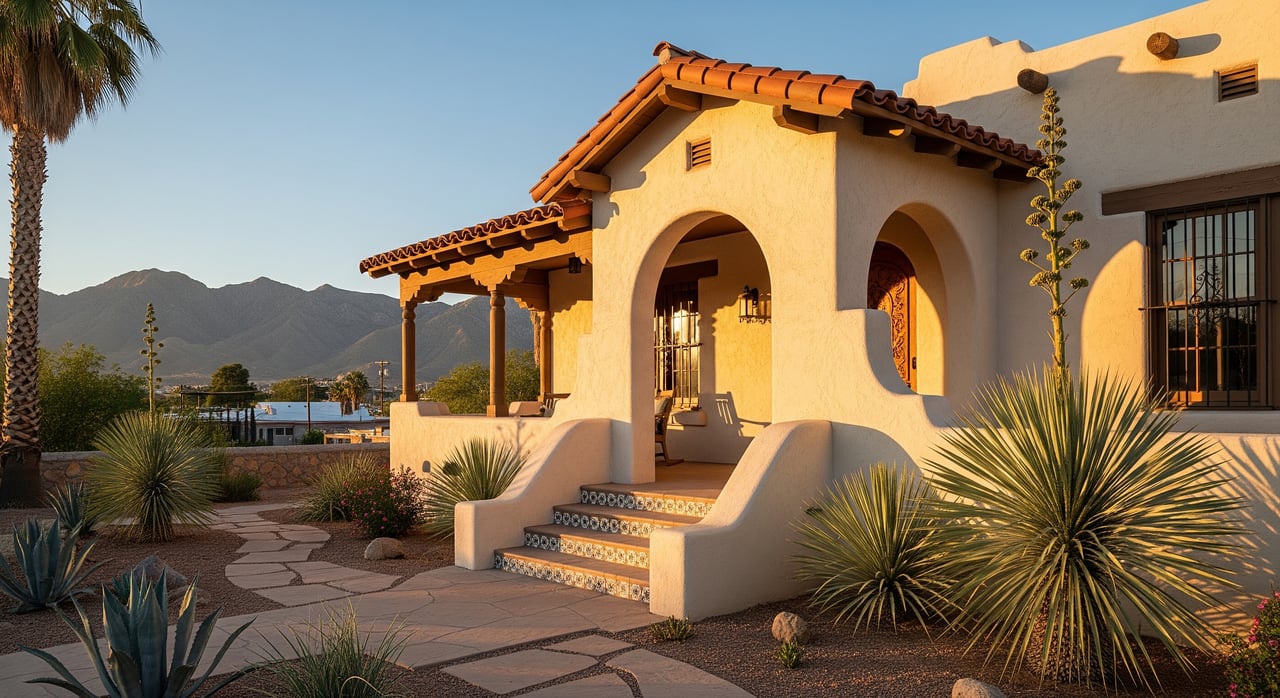
Spanish Colonial and Mediterranean influences appear in early 20th century homes and in some later remodels. Look for stucco walls, clay tile or flat roofs, arched openings, recessed windows, decorative ironwork, and small courtyards or walled gardens. Interiors may include plaster walls, tile in service areas, and arched openings.
- Living experience: Thick walls and deep window recesses can help moderate heat. Courtyards and patios create private outdoor space on compact lots.
- Maintenance watchlist: Clay tile roofs last a long time but are heavier and more costly to repair than shingles, so the roof structure matters. Monitor stucco for cracks and water intrusion. Electrical, plumbing, and insulation upgrades are common retrofit needs.
Mid-century and ranch homes
Many 1940s to 1960s homes show low, horizontal profiles with simple rooflines and larger windows. Attached carports or garages are typical on smaller lots. Interiors lean more open and informal than earlier bungalows.
- Living experience: Single-level flow with bigger rooms suits buyers who want fewer stairs and more open space. Yards are moderate for an urban setting.
- Maintenance watchlist: Original panels, HVAC, and plumbing may be near end-of-life. Some materials can include asbestos, so test before you renovate. Replacing older windows and doors often improves comfort and efficiency.
Updated and infill homes
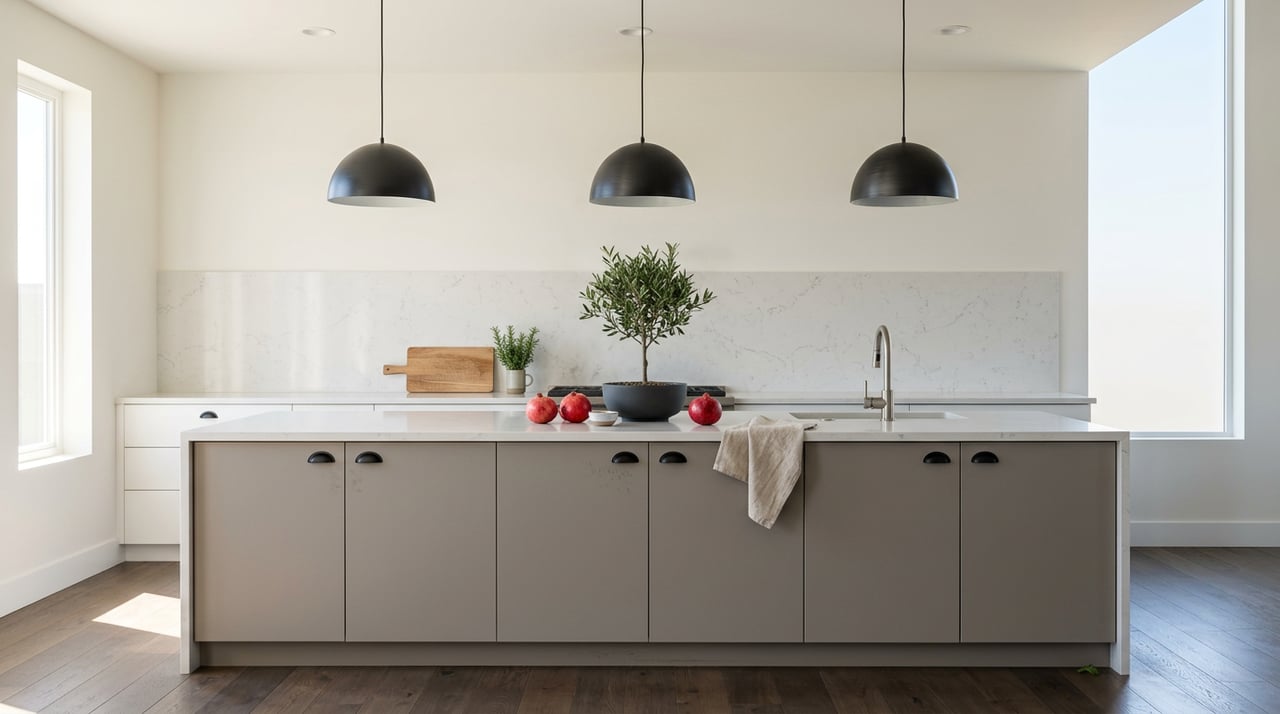
You will also see historic shells with modern interiors and some newer infill built to fit the neighborhood scale. Many have open plans, new kitchens and baths, and energy upgrades.
- Living experience: Move-in-ready systems and contemporary finishes are common. Some original details may be reduced unless a renovation preserved them on purpose.
- Maintenance watchlist: Recent renovations often improve roofs, mechanicals, waterproofing, and insulation. Additions and infill can trigger permits and design review, so confirm local rules before you plan changes.
Smart inspection focus
Older homes reward careful inspections. Ask your inspector to look closely at:
- Roof age and material, plus any signs of water intrusion
- Stucco or wall cladding condition and repair history
- Foundation type, settlement, and moisture indicators
- Window and door condition, seals, and operability
- Electrical capacity, grounding, and panel age
- Plumbing materials, leaks, and sewer line condition
- HVAC age and ductwork status, especially in retrofits
- Insulation levels and past water or insect damage
Renovation priorities
If you plan updates, start with the essentials before cosmetics.
- Safety and structure first: roof, foundation, electrical, and plumbing
- Water management next: weatherproofing, stucco repair, drainage
- Comfort improvements: insulation, windows, HVAC efficiency
- Then style: kitchens, baths, finishes that fit the home’s character
Costs vary widely. Expect to gather multiple bids from licensed contractors for electrical upgrades, HVAC replacement, window improvements, roof and stucco work, and insulation.
Rules, permits, additions
Most homes are privately owned without district-wide historic restrictions, but rules can vary. Confirm permits and exterior-change allowances with the City of El Paso Planning and Inspections Department. Also check any neighborhood association guidance or deed covenants before you add on or alter a façade. Structural changes and additions generally require permits.
Kern Place vs West El Paso
Compared with later West El Paso suburbs, Kern Place usually offers smaller lots, closer setbacks, and stronger walkability. Homes skew older, which means more character and also more potential retrofit needs than newer tract construction. You will see more architectural variety here than in many uniform subdivisions. Market value reflects location and character, with condition and modernization influencing the final price.
Lots and outdoor space
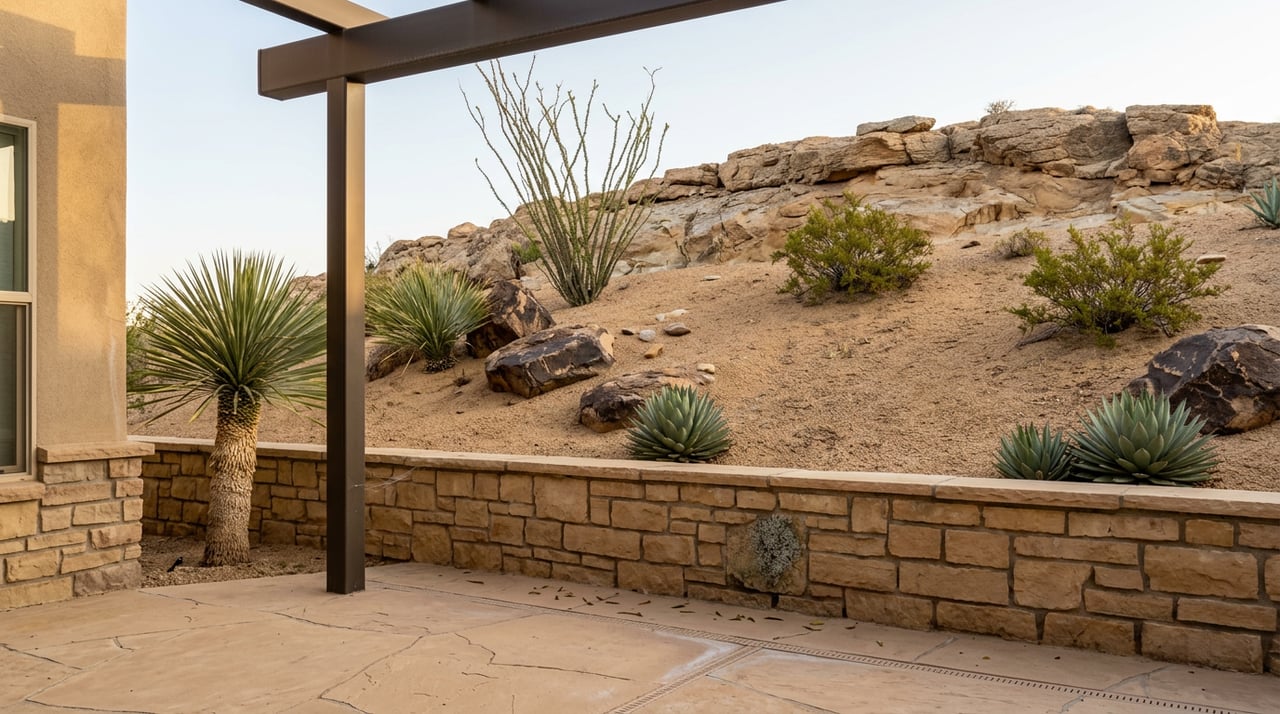
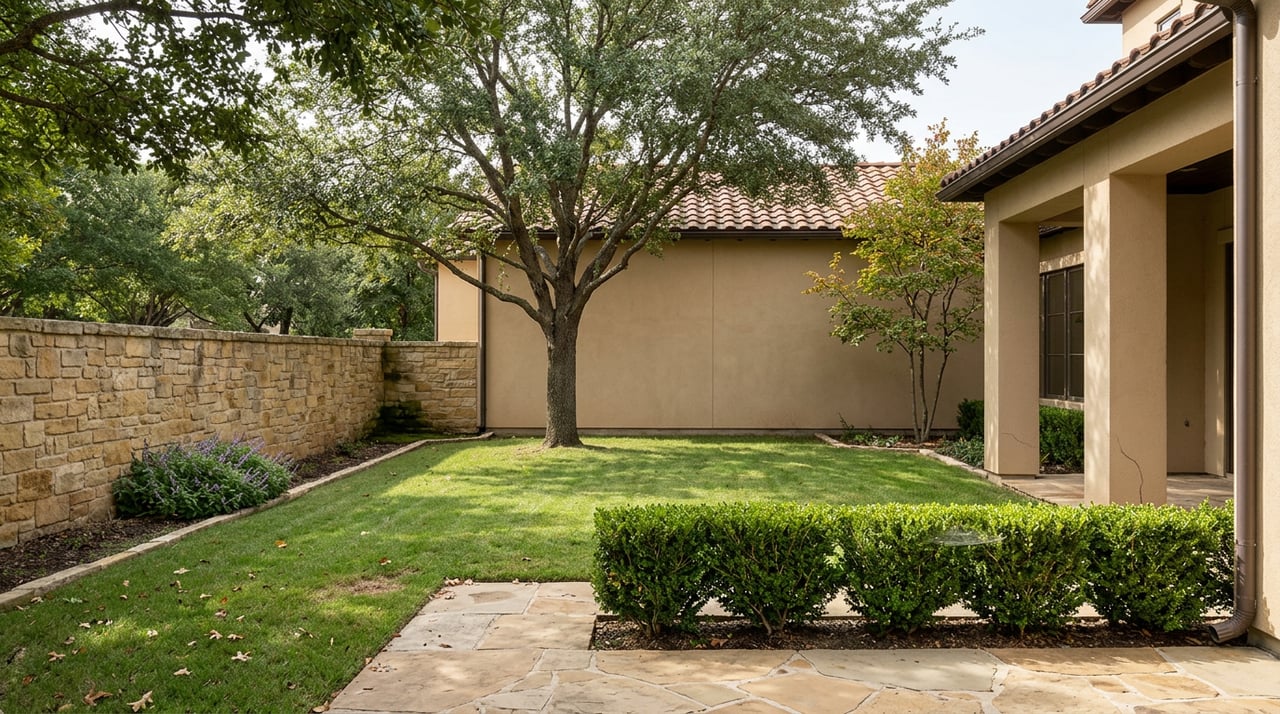
Lot sizes are compact by El Paso standards, with houses closer to the sidewalk. Bungalows often feature front porches and small entry yards. Spanish-influenced homes may offer courtyards or private patios. Mid-century homes usually provide moderate yard space within the urban lot pattern.
Your next step
Whether you love a Craftsman porch, a quiet courtyard, or a crisp modern remodel, you have good options in Kern Place. The key is matching style to your lifestyle and planning for the right upgrades. If you want help assessing a home’s condition, scoping smart updates, or preparing a Kern Place listing that honors original character, let’s talk. Reach out to Adel Reyes to get local guidance and Request Your Free Home Valuation.
FAQs
What styles are most common in Kern Place?
- You will most often see early bungalows and Craftsman homes, Spanish or Mediterranean revival influences, mid-century ranches, and updated or infill contemporaries.
How do older Kern Place homes compare to newer West El Paso homes?
- Older homes offer more character and walkability but often need system upgrades, while newer subdivisions tend to have more modern systems and larger lots.
Which styles are easiest to modernize for open plans and efficiency?
- Updated or recently remodeled homes already offer open layouts, while mid-century homes often adapt well; bungalows can be opened up with careful structural planning.
What issues should I budget for with a century-old bungalow?
- Plan for electrical and HVAC updates, insulation and window improvements, potential stucco or siding work, and a close look at foundation and roof condition.
Are there rules about exterior changes or additions?
- Confirm requirements with the City of El Paso Planning and Inspections Department and check any neighborhood association or deed covenants before work begins.
How do lots and outdoor spaces vary by style?
- Expect compact lots; bungalows often have porches, Spanish-influenced homes may have courtyards, and mid-century homes typically offer moderate yard space.
What inspection questions should I ask the seller or agent?
- Ask about roof age, past water intrusion, electrical and plumbing updates, HVAC age, insulation levels, window upgrades, and any permits for prior renovations.