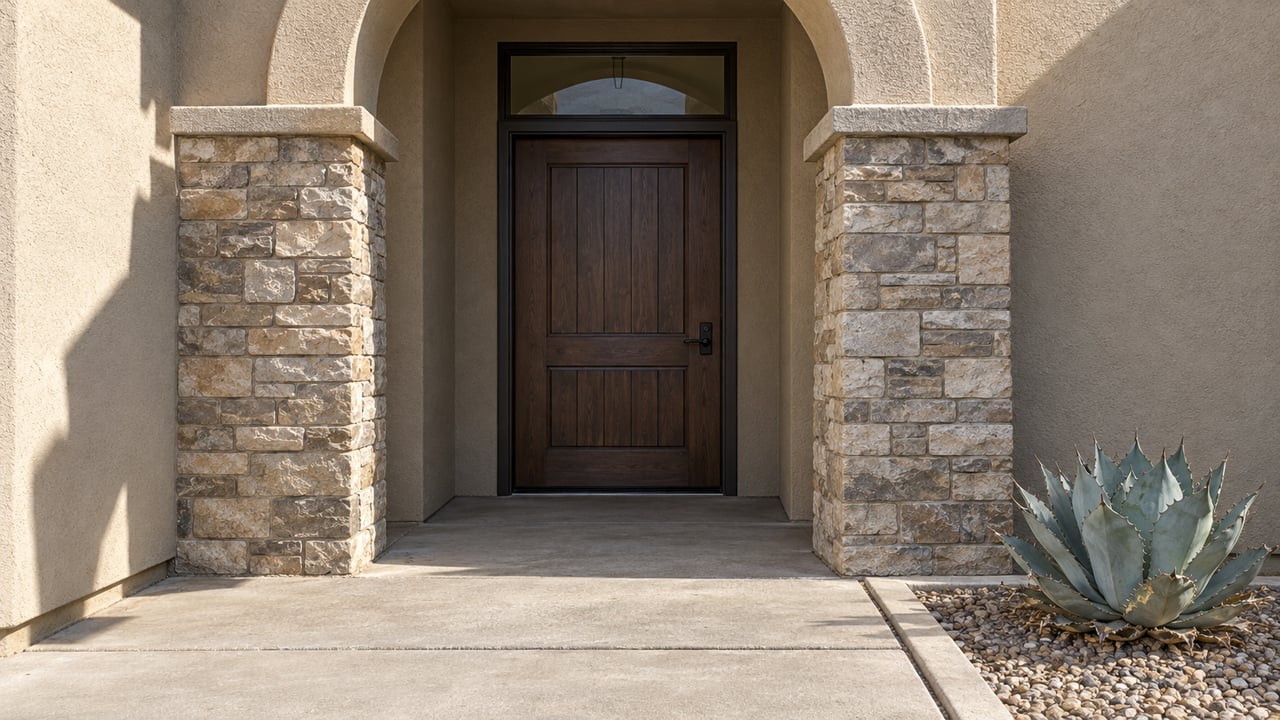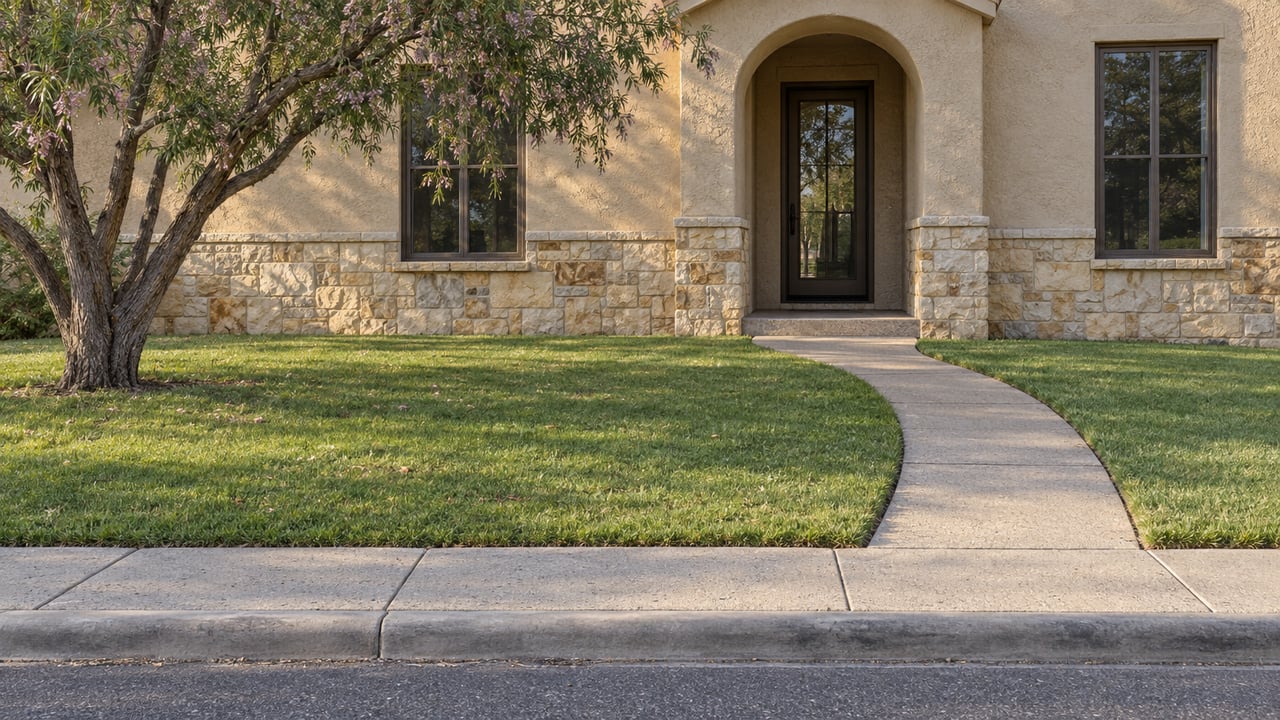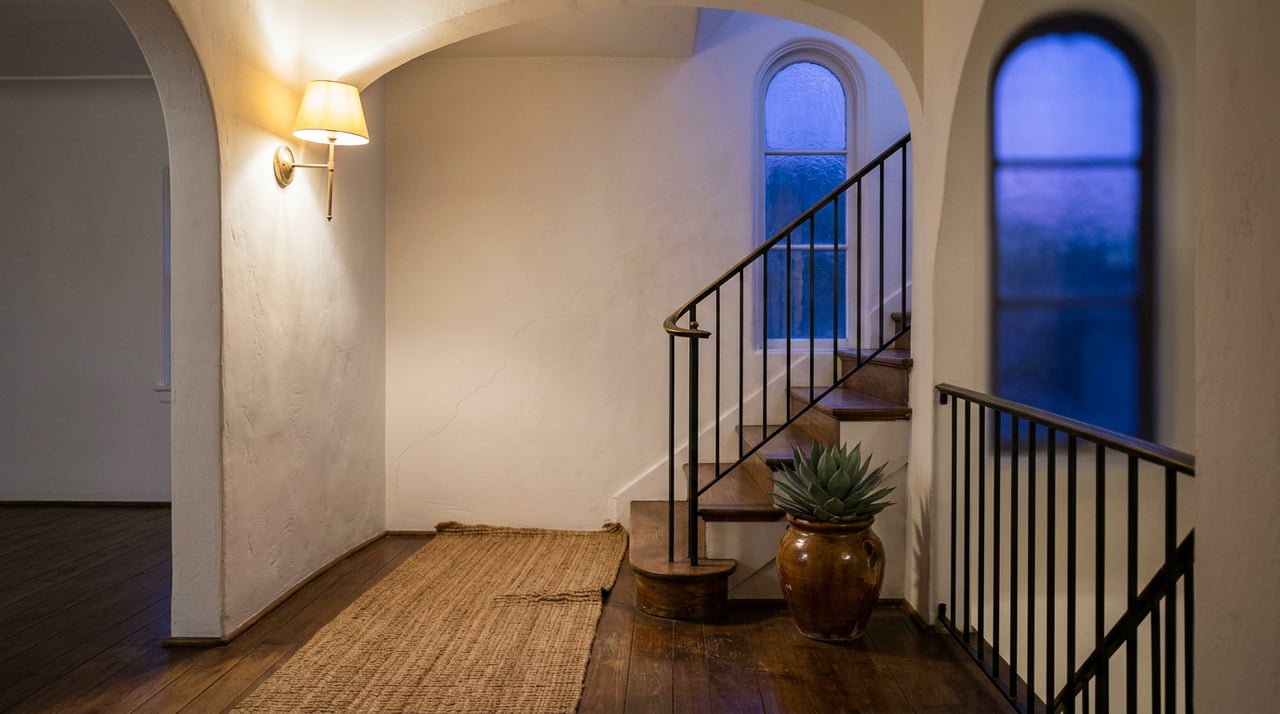
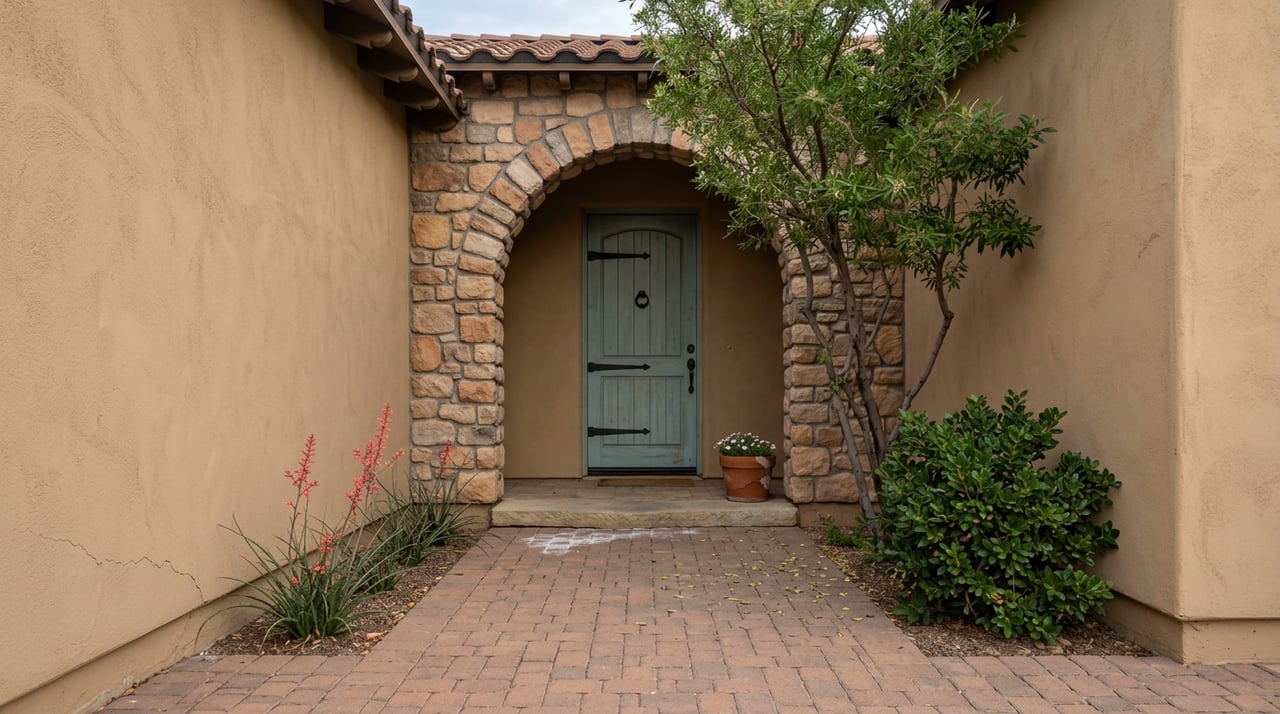
The inspector's van is usually parked on Cincinnati or Baltimore or one of the curving streets Peter Kern laid out back when this was still the edge of El Paso. The house itself, brick Tudor or a squat Spanish Colonial with a tile roof, looks the way it's looked for a hundred years. The buyer stands in the driveway feeling good about the bones. Three days later the report lands, and the good feeling runs into a section titled Electrical Systems, then one titled Plumbing, then one titled Chimney and Fireplace, and the buyer starts wondering if they picked the one bad house on the block.
They didn't. In Kern Place, that report reads almost the same way every time, because the house was built in a specific decade with specific materials, and those materials are now roughly a century old. The masonry held. The systems inside it didn't age at the same rate. That gap between a structurally sound house and its original-era infrastructure is the single biggest source of friction in a Kern Place transaction, and it's worth understanding before you write an offer, not after your inspector calls.
The Item Buyers Don't See Coming
Kern Place was developed in the 1920s and 1930s as El Paso's first automobile-era suburb, built on the slopes west of what is now UTEP. A local inspection firm that works this neighborhood regularly, Inspector Pros, puts it plainly: the solid masonry construction common to Kern Place's brick Tudor, craftsman bungalow, and Spanish Colonial homes has held up well. What hasn't aged as gracefully are the electrical and plumbing systems, which in many unrenovated homes still date to original construction.
That's not a knock on any one seller or any one house. It's what happens when a neighborhood this age hasn't had a full systems replacement. Knob-and-tube wiring was the standard electrical method through the 1940s. Cast iron drain lines and galvanized steel supply lines were used almost universally in that same era. If a Kern Place home hasn't been substantially renovated, there's a real chance some or all of that original infrastructure is still doing its job, just not as well as it did in 1935.
Four Systems, One Decade
Here's what tends to show up on a Kern Place inspection report, roughly in the order buyers usually panic about it:
| System | Installed | What Shows Up on Inspection | Typical Response |
|---|---|---|---|
| Electrical | Knob-and-tube wiring, common through the 1940s | Ungrounded outlets, panel that can't support modern loads | Partial or full rewire, sometimes staged room by room |
| Supply plumbing | Galvanized steel pipe, standard in this era | Reduced water pressure, internal corrosion, visible rust at fixtures | Repipe with copper or PEX |
| Drain and sewer | Cast iron or clay tile lines | Slow drains, root intrusion, aging joints | Line repair, relining, or full replacement |
| Chimney | Original brick fireplaces from 1920s–40s construction | Deteriorated mortar joints, cracked flue tiles, animal nesting | Licensed chimney sweep evaluation, tuckpointing or flue relining |
None of these findings mean the house is a bad buy. They mean the house is being inspected honestly for its age, and a buyer who knows this table exists before they see the report negotiates from a much steadier position than one who doesn't.
Why the Sewer Line Is the One Nobody Thinks to Ask About
A standard home inspection covers what's visible and accessible. It does not, by default, run a camera through your sewer line. In most El Paso neighborhoods built after 1970, that's a reasonable thing to skip. In Kern Place, it's the gap that catches people off guard.
The original clay tile or cast iron sewer laterals under these homes are now roughly 80 to 100 years old. The mature trees that shade Kern Place's streets, the same trees that make this one of the most walkable and architecturally distinct pockets of West El Paso, have root systems that have had decades to find their way into those underground pipes. Inspector Pros, which serves this neighborhood specifically, recommends adding a sewer scope to any Kern Place purchase for exactly this reason. It's a separate line item from the general inspection, and it's the one add-on that reliably pays for itself here.
A slow drain on inspection day can look like a minor plumbing note. A sewer scope can reveal that the same slow drain is actually root intrusion three feet down, which is a different conversation entirely, and one you want to have during the option period, not six months after closing.
The house was built to outlast its owners. The plumbing under it was not built to outlast a century of tree roots.
What This Actually Costs, and Who Pays
Home inspections in Kern Place typically run $375 to $550, higher than a newer, smaller home elsewhere in the city, largely because of the age and square footage involved in a thorough evaluation of these systems. That's before any sewer scope, which is usually quoted separately.
When findings come back, the negotiation tends to fall into one of three lanes. A seller can offer a repair credit at closing, letting the buyer handle the rewire or repipe on their own timeline with contractors of their choosing. A seller can complete specific repairs before closing, which works well for a chimney relining or a targeted sewer repair but rarely makes sense for a full rewire under a tight contract timeline. Or the price gets adjusted to reflect the work ahead. None of these outcomes should feel like a crisis. They're the normal mechanics of buying a home built in 1928, and buyers who come in expecting one of these three conversations negotiate calmer and faster than buyers who expected a clean report.
Before You Write the Offer
A few things worth doing before you're deep into an option period on a Kern Place home:
- Ask your inspector to add a sewer scope as a line item, not an afterthought. It's the one inspection add-on this neighborhood specifically calls for.
- Ask the seller for any permit history on prior electrical or plumbing work. A documented partial rewire or repipe tells you how much of the original 1930s system is actually still in place.
- Budget for at least one major system update, even if the inspection comes back clean on that item. Knob-and-tube and galvanized pipe don't fail on a schedule, and a house that passed today can still need a rewire in three years.
- Remember that any electrical or plumbing replacement work will require a permit from the City of El Paso's Planning and Inspections Department. Factor that timeline into any renovation plan, not just the cost.
If you want a deeper look at how these findings map to specific architectural styles across the neighborhood, our guide to Kern Place's architectural styles walks through what to expect house by house.
If You're Selling, Get Ahead of It
Sellers in Kern Place have an advantage buyers don't: you can order your own sewer scope and a basic electrical panel evaluation before you list, and either fix what you find or price the home with full disclosure. A pre-listing scope that turns up nothing is a selling point you can put in writing. One that turns up a root intrusion issue is something you can resolve on your own timeline, at your own contractor's rate, rather than under pressure during someone else's option period.
FAQ
Does every Kern Place home have knob-and-tube wiring or galvanized pipe? No. Many homes have been partially or fully updated over the decades. But in a neighborhood built almost entirely in the 1920s and 1930s, original-era systems are common enough that buyers should expect the possibility rather than be surprised by it.
Is a sewer scope required, or just recommended? It's not a required part of a standard inspection anywhere in Texas. In Kern Place specifically, local inspectors who work this neighborhood regularly recommend it as an add-on given the age of the original clay tile and cast iron laterals.
Do these findings usually kill a deal? Rarely, when both sides expect them. Most Kern Place transactions that include these findings close with a repair credit, a targeted repair, or a price adjustment rather than a walked-away buyer.
Kern Place's character is part of what makes it one of the most requested addresses in West El Paso, and that character comes with a maintenance profile buyers deserve to understand before they're standing in an option period. If you're weighing an offer here, or wondering what your own Kern Place home would need before listing, Cornerstone Realty can walk through the specifics with you block by block. Request your free home valuation and let's talk through what your inspection is likely to say before you're reading it under a deadline.